
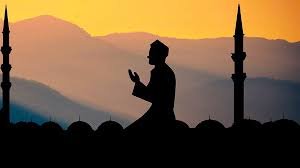
Juma prayer, also known as Friday prayer, holds a special place in the hearts of Muslims. It is a weekly congregational prayer that happens on Fridays, right after noon. Unlike the daily prayers, Juma is unique because it includes a sermon and is considered more rewarding. Knowing the correct Juma prayer time is essential for observing it properly. In this article, we will explain Juma prayer time, how to find it in your area, and why it’s so important for Muslims.
What is Juma Prayer?
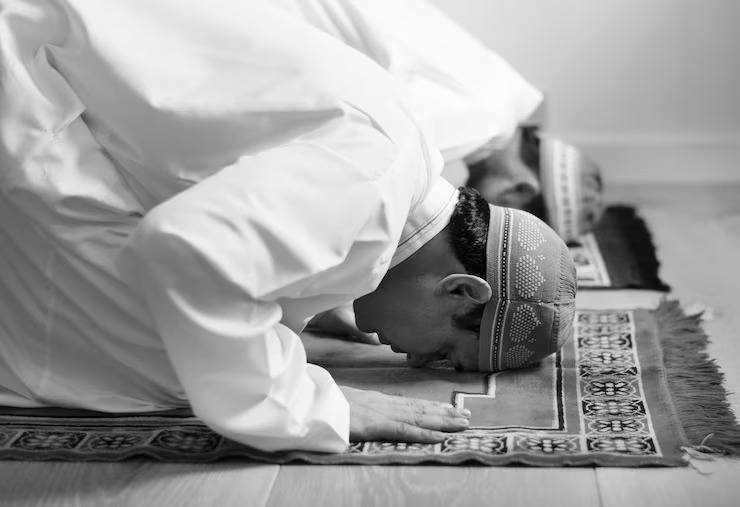
Juma prayer is a special congregational prayer held every Friday. It takes place after midday and is considered one of the most important prayers in Islam. Unlike regular daily prayers, Juma has two parts: a sermon (khutbah) and the prayer itself. The prayer consists of two rak’ahs (units of prayer), and the khutbah serves as a reminder of faith and guidance.
Why is Juma Prayer Important?
Juma prayer is special because of the rewards it carries. It is an opportunity for Muslims to gather together as a community, reflect on their faith, and seek forgiveness from Allah. Prophet Muhammad (PBUH) said, “Whoever performs Juma with sincerity, his past sins will be forgiven.” (Sahih Muslim). So, Juma prayer is not only about performing an act of worship but also about earning spiritual rewards.
When is Juma Prayer Time?
Juma prayer takes place every Friday around the time of Dhuhr, the midday prayer. However, the exact time for Juma varies depending on where you live and the season.
How to Find Juma Prayer Time in Your Area
There are a few simple ways to know when Juma prayer will happen in your city:
1. Check Your Local Mosque Schedule
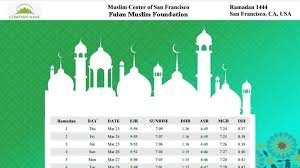
Most mosques publish weekly prayer schedules, including Juma prayer times. These schedules are updated every week and can be found on the mosque’s website or notice board. It’s always a good idea to refer to your local mosque for accurate times.
2. Use Prayer Time Apps
There are many mobile apps designed for Muslims to keep track of prayer times. These apps show the exact time for Juma prayer based on your location. Popular apps like Muslim Pro or iPray can give you the accurate timing for Juma prayer wherever you are.
3. Use Websites for Prayer Timings
Several websites offer prayer times for cities around the world. These websites calculate Juma prayer time based on your city’s location and the current season. Simply enter your city’s name, and the website will show the Juma prayer time.
Why is Juma Prayer Different from Other Prayers?
Juma prayer is different from the regular Dhuhr prayer in several ways:
1. Two Rak’ahs Instead of Four
While the Dhuhr prayer consists of four rak’ahs, Juma prayer only has two rak’ahs. This is because Juma is performed after the khutbah, the sermon, which makes it shorter than regular prayers.
2. The Khutbah (Sermon)
Before the actual prayer, the imam delivers a khutbah, a sermon that serves as a reminder about Islam, faith, and morality. The khutbah is divided into two parts, with a short break in between. The congregation listens quietly during this time and reflects on the message being delivered.
3. Congregational Prayer
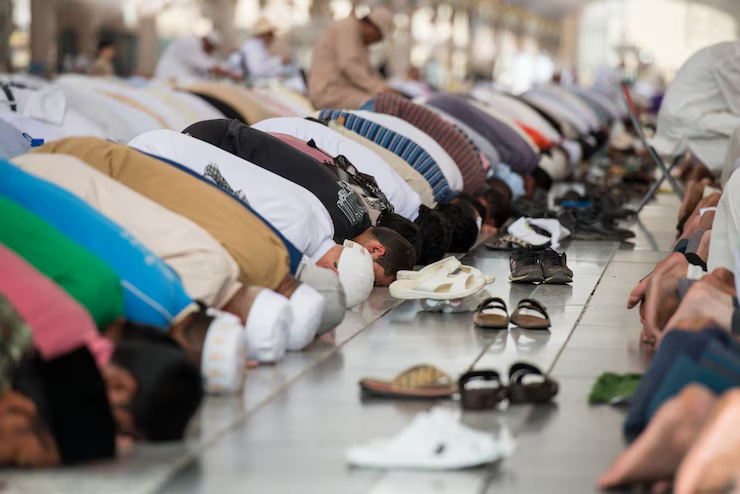
Unlike other prayers, which can be offered individually or in a small group, Juma is performed in congregation. This brings the Muslim community together, offering a chance to socialize and strengthen bonds of brotherhood and sisterhood.
How to Find Accurate Juma Prayer Time?
To make sure you attend Juma prayer on time, follow these steps:
1. Check Local Schedules Regularly
Your mosque’s weekly schedule is the most reliable source for accurate Juma prayer timings. These schedules are updated to reflect changes in prayer times based on the season and daylight saving time.
2. Use Online Tools and Apps
Online tools, websites, and apps can provide accurate Juma prayer times. By entering your location, these platforms will show you the correct time for Juma, so you never miss it.
3. Be Aware of Seasonal Changes
Since Juma prayer takes place around midday, the timing will shift throughout the year. During summer months, Juma may happen earlier, while in the winter, it may be later. Be sure to check the schedule regularly, especially around the time of seasonal changes.
How to Prepare for Juma Prayer
To make the most of your Juma prayer, it’s important to prepare both spiritually and physically:
1. Perform Ghusl (Ritual Purity)
Before attending Juma, it is recommended to perform ghusl (a full body wash). This is an act of purification and is an important part of preparing for Juma prayer.
2. Dress Neatly and Modestly
Juma prayer is a time for worship and reflection, so it’s important to dress in clean, neat, and modest clothing. It’s a time to show respect for the prayer and the community.
3. Arrive Early
It is recommended to arrive early to make sure you can perform any additional prayers, such as Sunnah rak’ahs, before the khutbah begins. Arriving early also allows you to settle in and listen to the entire sermon.
4. Give Sadaqah (Charity)
It is common to give charity on Juma, either before or after the prayer. This small act of kindness brings additional rewards.
What Happens During the Juma Khutbah (Sermon)?
The khutbah is an essential part of Juma prayer. It serves to remind the congregation of their duties to Allah and to each other.
First Khutbah
The first part of the khutbah is a sermon delivered by the imam. It usually discusses important aspects of Islam, such as morality, faith, and community welfare. It serves as a reminder to stay connected to Allah and to follow the teachings of Islam.
Second Khutbah
After a brief pause, the imam delivers the second part of the khutbah, which includes a supplication for the well-being of the community. The congregation listens attentively, and this is followed by the actual prayer.
How Long Does Juma Prayer Take?
Typically, Juma prayer takes around 30 to 45 minutes, depending on the length of the khutbah. The actual prayer only lasts for two rak’ahs, but the khutbah adds extra time for reflection and community engagement.
Conclusion
Juma prayer is an essential part of the Islamic faith, offering spiritual rewards, community bonding, and an opportunity to seek forgiveness from Allah. By knowing when the prayer takes place, preparing properly, and attending the mosque, you can fully benefit from this blessed time. Always check the local mosque schedules and use online tools or apps to keep up-to-date with accurate Juma prayer timings. Make the most of this special day to renew your faith and strengthen your connection with the Muslim community.








Leave a Reply