
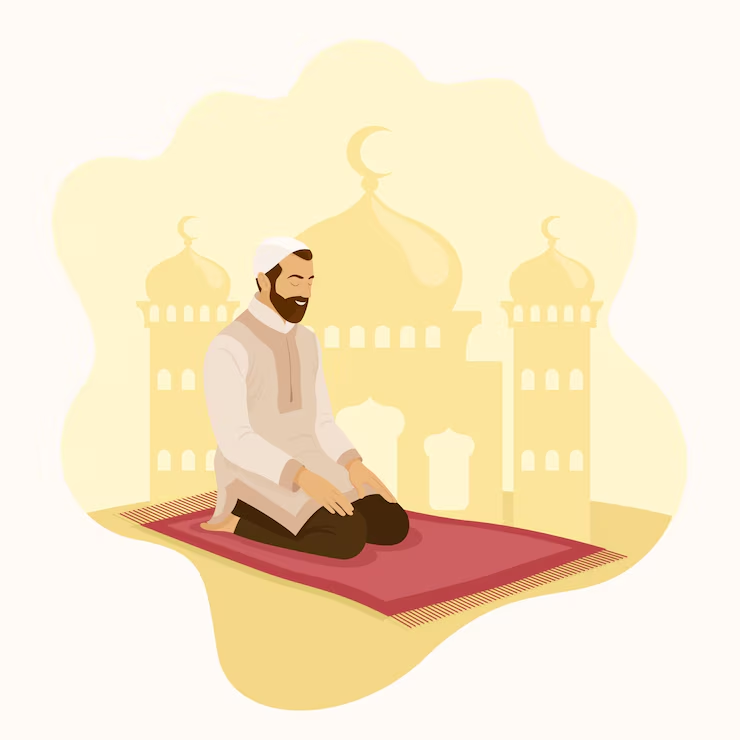
What is Ramadan?
Ramadan is the ninth month of the Islamic calendar. During this month, Muslims fast from dawn until sunset for around 30 days. It is a special time because the Quran, the holy book of Islam, was revealed to Prophet Muhammad (PBUH) during this month. The last 10 days are especially holy, with the Night of Power (Laylat Al Qadr) being the most sacred.
Why Do Muslims Fast During Ramadan?
Fasting during Ramadan, called Sawm, is one of the Five Pillars of Islam. These are the main rules that guide a Muslim’s life. Fasting helps Muslims become closer to God, feel more compassionate towards others, and practice self-control.
What Are Iftar and Suhoor?
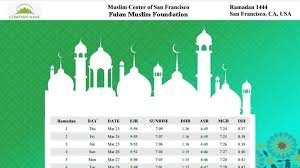
Suhoor is the meal before dawn, which Muslims eat before starting their fast. Iftar is the meal they eat at sunset to break their fast. People usually break their fast with dates and then pray before having a bigger meal with family and friends.
Can Ramadan Happen Twice in a Year?
No, Ramadan happens once a year, but because it follows the lunar calendar, its dates shift by about 10-11 days each year on the regular (Gregorian) calendar.
When Does Ramadan End?
Ramadan ends with Eid Al Fitr, a holiday where Muslims celebrate with family, give gifts, and enjoy special meals together.
Can Ramadan Be in Winter?
Yes, Ramadan can fall in winter, depending on when it occurs in the lunar calendar. The dates of Ramadan move forward each year, so it can happen in different seasons over time.
What Does Ramadan Mean?
The word “Ramadan” comes from the Arabic word “ramida,” which means “scorching heat” or “dryness.” This reflects the idea of fasting to cleanse both the body and the soul.
What Does Ramadan Mean for Children?
Children don’t have to fast until they reach puberty, but some may try fasting for part of the day to practice for when they get older.
Can Non-Muslims Get Involved in Ramadan?
Yes, many non-Muslims join in by attending Iftar meals or donating to charity. They can also wish Muslims a “Ramadan Kareem” (wishing you a generous Ramadan) or “Ramadan Mubarak” (blessed Ramadan).
What Should Non-Muslims Expect During Ramadan?
In some countries, like the UAE, everyone, including non-Muslims, should respect the fasting rules. This means no eating, drinking, or smoking in public during the day.
Which Countries Observe Ramadan?
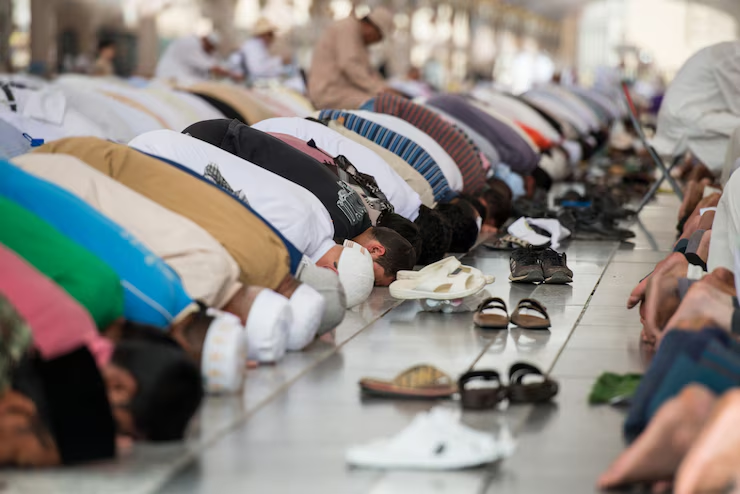
Ramadan is observed by Muslims worldwide, in countries like Saudi Arabia, Pakistan, Egypt, the UAE, Indonesia, and many others. Muslims in non-Muslim-majority countries also observe Ramadan.
Are There Exemptions from Fasting?
Some people don’t have to fast, like the elderly, the sick, pregnant women, and children. People with diabetes or other health problems should consult a doctor before fasting.
What is Fasting Like for Diabetics or Those with Health Issues?
Fasting can be risky for people with diabetes or other medical conditions. They should speak with a doctor before fasting and monitor their health carefully during the month.
What is Not Allowed During Ramadan?
Muslims who are fasting must avoid eating, drinking, smoking, and having sexual relations from dawn to sunset. They should also avoid bad behavior, like using foul language.
Can You Listen to Music During Ramadan?
Many Muslims avoid listening to music during Ramadan to stay focused on their spiritual goals.
Is There a Dress Code During Ramadan?
It’s recommended that people dress modestly during Ramadan, covering shoulders and knees to avoid offending others who are fasting.
Can You Drink Water While Fasting?
No, drinking water is not allowed during the day while fasting.
Is Fasting Healthy?
Fasting during Ramadan can have health benefits, like helping with weight loss and improving metabolism. However, some people may overeat after fasting, which can lead to weight gain.
Why Is Charity Important During Ramadan?
Charity is a big part of Ramadan. Muslims give Zakat, a form of charity, to help those in need. Many also give extra donations during Ramadan because good deeds are believed to be rewarded more during this month.
What is Hajj?
Hajj is the annual pilgrimage to Makkah, Saudi Arabia. It is one of the Five Pillars of Islam and must be done by every Muslim who is physically and financially able to do so.
Eid Celebrations: Eid Al Fitr and Eid Al Adha
Eid Al Fitr marks the end of Ramadan. It’s a time for family celebrations, special meals, and giving gifts. Eid Al Adha, or the “Festival of Sacrifice,” happens after the Hajj pilgrimage and honors Prophet Ibrahim’s devotion to God. Animals are sacrificed and the meat is shared with family, friends, and those in need.
What is Hag Al Leylah?
In the UAE, Hag Al Leylah is a special tradition for children. On the 14th day of Shaaban, children dress up and go around their neighborhood, asking for sweets and singing traditional songs.
What is Wudhu?
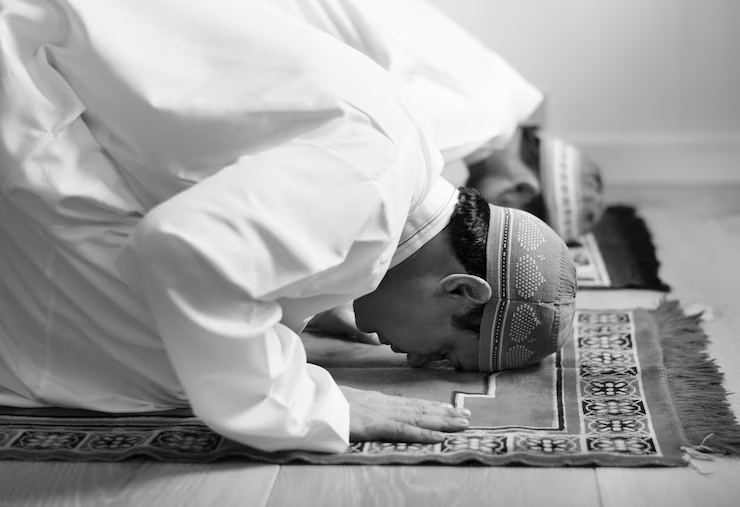
Wudhu is the process of washing certain parts of the body before prayer. It’s an important part of getting ready to pray, and it involves washing the hands, mouth, nose, face, arms, head, and feet.
Interesting Facts About Islam
- Islam is the second-largest religion in the world, with over 1.8 billion Muslims.
- Many inventions, like algebra, coffee, and the guitar, came from the Islamic world.
- Muslims fast to improve their spiritual and physical health.
- Muslims also donate generously to charity, especially during Ramadan.




Leave a Reply