
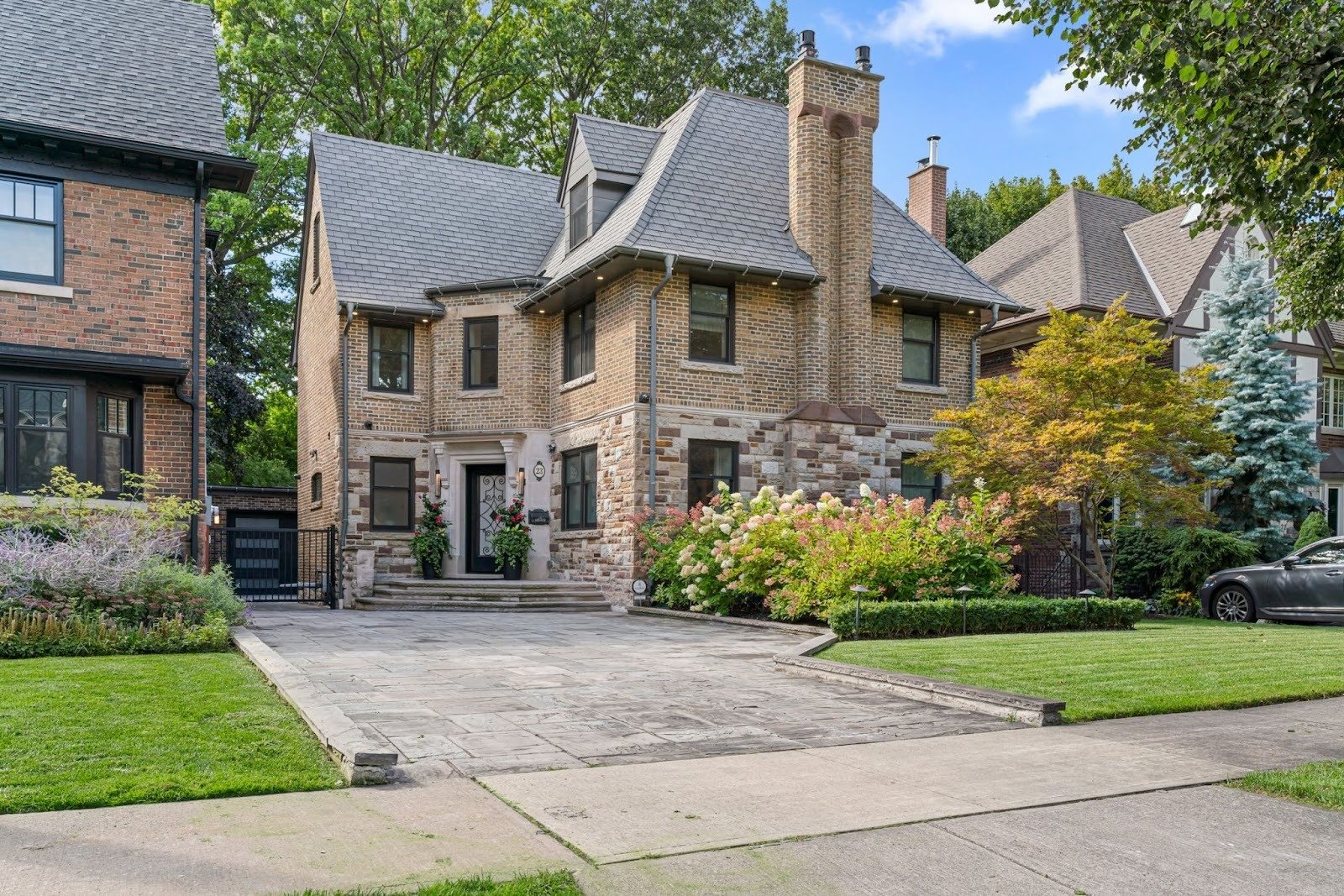
Building a custom home is a dream for many, but before you start picking out paint colors or selecting flooring, there are critical decisions to make early on. A Pre‑Construction Planning Checklist for Custom Homes ensures that you’re making informed decisions before your design team begins drawing, and before permits are submitted. Planning ahead helps prevent costly mistakes, delays, and unforeseen challenges during the construction process. This guide provides a comprehensive list of the most important decisions and tasks you need to consider before beginning the custom home building journey.
Why a Pre‑Construction Planning Checklist for Custom Homes Matters?
Starting from scratch means that you get to create a home that’s uniquely yours. But before architects get to work on detailed plans and permits are filed, careful thought must be given to various elements of your home. A Pre‑Construction Planning Checklist for Custom Homes will guide you through the essential tasks that ensure everything is set up properly. With this checklist in hand, you can make sure you’re addressing all aspects of your build, from budget to design and regulations, before diving into the formalities of permits and drawings.
The Importance of Pre‑Planning in Custom Home Building
Every custom home project has its own set of unique factors. However, regardless of whether you are planning Custom Home Building in Toronto or elsewhere, following a structured pre‑construction checklist will help you avoid the common pitfalls that arise when construction begins. This process saves both time and money, giving you peace of mind knowing that your foundation is solid before work starts.
What to Include in Your Pre‑Construction Planning Checklist for Custom Homes?
The Pre‑Construction Planning Checklist for Custom Homes should focus on making key decisions that affect your design, timeline, budget, and the final outcome. Here’s a breakdown of what needs to be addressed:
1. Define Your Goals and Priorities
Before you jump into any construction plans or start selecting your team, the first step in your Pre‑Construction Planning Checklist for Custom Homes is to define your goals clearly. Ask yourself the essential questions:
- Why are you building a custom home?
- What’s most important to you, more space, a specific design, or sustainable features?
- What are your must‑have features versus the nice‑to‑have elements?
Key Questions to Answer:
- How many bedrooms and bathrooms do you need?
- Do you want a dedicated home office or gym?
- Is accessibility a consideration for aging family members?
- What style do you envision, modern, traditional, or transitional?
Once these priorities are clear, you’ll have a better understanding of the design scope and the functional aspects of your home.
2. Establish a Realistic Budget
Setting your budget early is essential in the Pre‑Construction Planning Checklist for Custom Homes. You can’t move forward without a clear understanding of your financial limits. A budget helps keep your expectations in line with what’s realistically achievable, ensuring that you don’t end up with an unrealistic vision that exceeds your means.
Budget Categories to Include:
- Land cost: This might already be secured, but in some cases, buying land can add a significant cost to the overall budget.
- Design and architecture fees: Architects and designers typically charge a percentage of the overall cost of the project.
- Construction cost per square foot: A key consideration for estimating how much space you want and how much it will cost.
- Permits and fees: Often overlooked, but essential in the early planning stages.
- Contingency funds: Typically around 10‑15% of your budget, contingency funds allow you to cover unexpected issues during the project.
Make sure to have some flexibility in your budget to account for unforeseen changes or challenges during construction.
3. Site Evaluation and Survey
Before you can design your dream home, you need to evaluate the property on which it will sit. A site survey is a critical task on your Pre‑Construction Planning Checklist for Custom Homes.
What to Consider During Site Evaluation:
- Topography: Is the land flat, or will you need to do significant grading or excavation?
- Soil quality: This will determine the type of foundation required for the build.
- Site access: Can construction vehicles easily reach the property? If not, additional infrastructure might be needed.
- Sun orientation: Knowing how the sun moves across the property can help you make better decisions for natural lighting, energy efficiency, and outdoor spaces.
- Utilities: Make sure your lot has access to water, gas, sewer, and power lines or determine how much it will cost to connect them.
This early assessment can help identify potential roadblocks and give you a clearer picture of what your land will need before construction begins.
4. Research Local Regulations and Permits
Building codes and zoning laws vary greatly by location. Understanding local regulations before you begin drawing plans is an essential part of the Pre‑Construction Planning Checklist for Custom Homes. In major cities like Toronto, there are often additional permits and approvals you need to navigate.
Key Areas to Consider:
- Zoning restrictions: Zoning laws may affect the design and size of your home, or if certain features are permissible.
- Setbacks: Setback requirements will define how far your house must be from the property lines.
- Building permits: These are required for all new construction, and understanding which types of permits you need will help streamline the approval process.
- Heritage overlays: In some neighborhoods, homes are subject to additional regulations due to heritage protection laws.
Getting to know these regulations upfront will save you time, money, and potential redesigns later.
5. Select Your Design and Construction Team
Now that you’ve outlined your budget, goals, and land requirements, it’s time to choose your team. The Pre‑Construction Planning Checklist for Custom Homes should include selecting skilled professionals who will help bring your vision to life.
Team Members to Engage:
- Architect/Designer: You need someone who can translate your ideas into practical plans.
- Engineer: Structural and civil engineers will ensure your designs are safe and structurally sound.
- Builder: A reputable builder experienced in custom homes will execute your plans.
- Surveyor: A surveyor provides critical land data that helps guide design and construction.
Selecting the right team is critical for your success. Whether you’re focused on a custom home or considering a commercial venture, our Commercial & Mixed-Use Renovation Design & Build Services provide a comprehensive, integrated approach to both design and construction for diverse projects.
Visualizing Your Home: Functional Layouts & Style
At this stage in your Pre‑Construction Planning Checklist for Custom Homes, it’s time to start thinking more about how your home will function and look. Understanding the practical layout of your home will help the design process and prevent costly changes later.
Space Planning
Consider the flow of the home:
- Room adjacencies: Do the kitchen and dining areas need to be connected for better entertaining?
- Functionality of spaces: A dedicated laundry room, a large garage, or extra storage space might all influence your design.
Architectural Style and Aesthetics
Decide on your architectural style early, which will influence the design direction and material choices. Some styles to consider are:
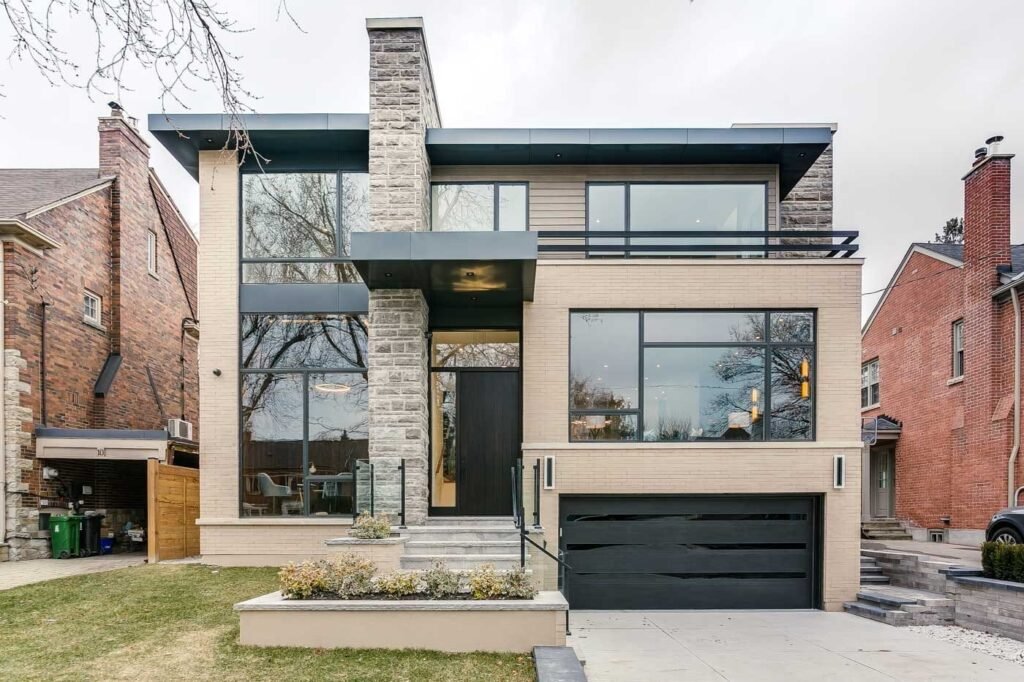
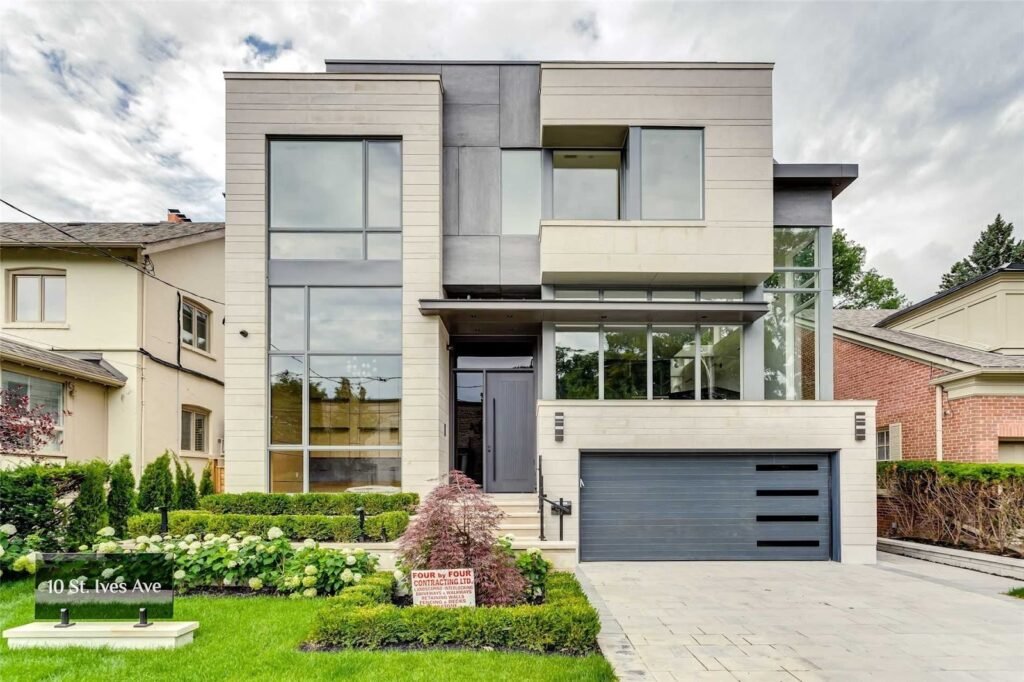
- Contemporary: Open spaces, large windows, minimalistic design.
- Traditional: Classic features, like pitched roofs, brick exteriors, and more defined rooms.
- Transitional: A mix of traditional and modern elements.
Defining these early will help with decision-making as the design process moves forward.
6. Structural Systems and Mechanical Systems
Another crucial decision to make in the early planning phase of your Pre‑Construction Planning Checklist for Custom Homes is the type of structural system and mechanical systems you want in your custom home.
Types of Structural Systems:
- Wood framing: Common for single-family homes, cost-effective and flexible.
- Steel framing: More durable but more expensive.
- Concrete/ICF: Offers excellent insulation but is more labor-intensive.
Mechanical Systems:
- HVAC systems: Traditional systems vs. energy-efficient options like heat pumps or radiant floor heating.
- Smart home technology: Decide if you want to integrate automation early (security systems, lighting, temperature control).
These systems can affect both your budget and the timeline of your project.
Conclusion
Building a custom home is an exciting journey, but it requires detailed planning to ensure a smooth and successful process. A Pre‑Construction Planning Checklist for Custom Homes is essential for addressing the key decisions that can impact your design, budget, and timeline. By thoroughly evaluating your land, defining your goals, choosing the right team, and understanding the regulations, you set your custom home project up for success. Whether you are considering Custom Home Building in Toronto or elsewhere, careful pre‑construction planning is the key to ensuring your home is built on time, within budget, and tailored to your needs.






Leave a Reply