
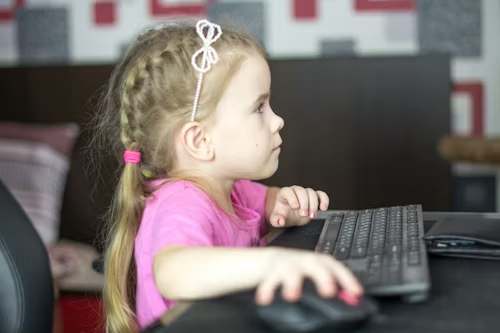
In today’s technology-driven world, coding has become one of the most valuable skills a child can learn. From smartphones to social media, video games to robots, technology powers nearly every part of modern life. As a result, coding classes for kids are growing rapidly in popularity, helping children gain early exposure to logical thinking, creativity, and hands-on problem-solving. Whether your child dreams of building apps, designing games, or simply understanding how technology works, coding offers an exciting pathway to explore.
This guide covers everything parents should know: the benefits of coding, popular programming languages for kids, course formats, and tips on choosing the right class.
Why Coding Matters for Children
1. Builds Logical and Analytical Thinking
Coding teaches children to break down big problems into smaller steps — a crucial life skill. When kids write code, they learn how to sequence actions, test solutions, fix errors, and think critically.
2. Enhances Creativity
Many parents are surprised to learn that coding is deeply creative. Children can design stories, animations, characters, and entire digital worlds. Through coding, imagination turns into something they can build and interact with.
3. Strengthens Academic Skills
Coding reinforces concepts from other subjects:
- Math: variables, patterns, sequencing
- Science: cause and effect, experimentation
- Language: storytelling, commands, structured instructions
It complements classroom learning in indirect but meaningful ways.
4. Boosts Confidence and Independence
When kids build a game or complete a project on their own, they experience a sense of achievement that encourages independence. They learn that mistakes (bugs) are part of the process, helping them develop resilience.
5. Prepares Kids for Future Careers
Technology continues to shape industries like healthcare, finance, engineering, entertainment, and education. Introducing coding early can help children develop future-ready skills, whether or not they pursue a tech career.
Popular Coding Languages for Kids
Not every coding language is suitable for beginners. Here are the most kid-friendly options:
1. Scratch
Designed for ages 6–12, Scratch uses colorful blocks instead of written code. Kids drag and drop blocks to build animations, stories, and simple games. It’s perfect for introducing fundamental concepts without overwhelming children.
2. Python
Python is known for its clean, readable syntax, making it one of the best languages for older kids and teens. It is used in real-world fields like AI, data science, and web development. Kids can build games, applications, and automation tools using Python.
3. JavaScript
For kids interested in websites or game development, JavaScript is ideal. It powers interactive websites and browser-based games. With the rise of online coding tools, even beginners can learn JavaScript through guided projects.
4. Robotics Coding (Block-Based or Python)
Robotics platforms often use block-based coding or Python. Kids learn how to program sensors, motors, and robots while also developing hands-on mechanical understanding.
5. HTML & CSS
These are beginner-friendly languages for designing web pages. Kids can create websites and learn the foundations of online content creation.
Types of Coding Classes for Kids
1. Online Coding Classes
Online learning is flexible, convenient, and accessible from home. These classes often include:
- Live instructors
- Interactive virtual platforms
- Self-paced learning modules
- Project-based assignments
Online classes are excellent for busy families who want structured learning without commuting.
2. In-Person Coding Classes
Many parents prefer physical classrooms because they offer:
- Direct interaction with instructors
- Hands-on robotics or hardware projects
- Social teamwork activities
In-person environments also help younger children stay focused.
3. After-School Programs
These programs provide creative, educational activities beyond regular school hours. Students can collaborate with peers and work on long-term projects.
4. Coding Camps
Intensive coding camps — summer camps or holiday camps — allow kids to dive deep into a topic like game development, robotics, or app creation. Camps provide immersive learning experiences and rapid skill-building.
5. Self-Learning Platforms
Some children enjoy exploring coding independently through apps and websites. While not as structured as live classes, these platforms offer flexibility and fun challenges.
Key Skills Kids Develop in Coding Classes
Coding goes beyond merely typing out lines of code.It helps children build a combination of technical and personal skills:
Technical Skills
- Problem-solving
- Algorithmic thinking
- Debugging
- Project creation (games, apps, animations)
- Understanding technology fundamentals
Soft Skills
- Creativity
- Logical reasoning
- Teamwork
- Patience and resilience
- Planning and organization
These skills benefit children in every academic subject and personal pursuit.
How to Choose the Right Coding Class
With so many options available, selecting the right coding class can feel overwhelming. Consider the following factors:
1. Age Appropriateness
Younger children may thrive with block-based coding, while older kids can begin exploring Python or JavaScript. Ensure the curriculum matches your child’s developmental stage.
2. Teaching Style
Some kids prefer hands-on robotics, while others enjoy creative game design. Look for a program that matches your child’s interests.
3. Student-to-Instructor Ratio
Smaller class sizes ensure personalized support, especially when kids face challenges or need help debugging.
4. Curriculum Quality
A good class should cover:
- Clear learning goals
- Step-by-step skill progression
- Engaging activities
- Practical, real-world projects
5. Project-Based Learning
Kids learn best when they create something meaningful — a game, animation, or robot. Choose classes that emphasize project creation.
6. Flexibility and Scheduling
Online and self-paced classes offer flexibility, while in-person lessons provide structure. Choose what fits your family’s routine.
Tips for Parents Supporting Kids in Coding
- Encourage exploration: Let children experiment with ideas freely.
- Celebrate progress: Even small achievements boost confidence.
- Provide screen-time balance: Combine coding with outdoor play and rest.
- Be patient: Coding involves trial and error — mistakes are part of learning.
- Show interest: Ask your child to explain their project; teaching strengthens understanding.
Conclusion
Coding classes for kids open the door to creativity, innovation, and future-ready skills. Whether your child is interested in robots, video games, or simply curious about how things work, coding offers a fun and meaningful learning experience. With a variety of courses available — online, in-person, camps, and self-learning platforms — parents can easily find a program that suits their child’s needs and interests.
By nurturing these skills early, you’re helping your child build confidence, strengthen problem-solving abilities, and prepare for a world shaped by technology.
Suggestion Topics
Why Coding Classes for Kids Are Essential in Today’s Digital World
Top Benefits of Enrolling in Coding Classes for Kids
How Coding Classes for Kids Build Problem-Solving and Creativity
Coding Classes for Kids: Preparing Young Minds for Future Careers









Leave a Reply