
Toronto, Canada’s largest and most diverse city, is renowned for its thriving real estate market, vibrant neighborhoods, and rich cultural heritage. For those looking to build a custom home in this dynamic metropolis, choosing the right custom home builder in Toronto is not just a decision — it’s a critical step toward turning your dream into reality. With skyrocketing property values and increasing demand for unique, personalized living spaces, working with an experienced and reputable builder is essential.
In this article, we will cover everything you need to know before building a custom home in Toronto. From understanding local construction regulations to evaluating builders, design trends, and key tips for budgeting, you’ll gain the clarity you need to embark on this exciting journey.
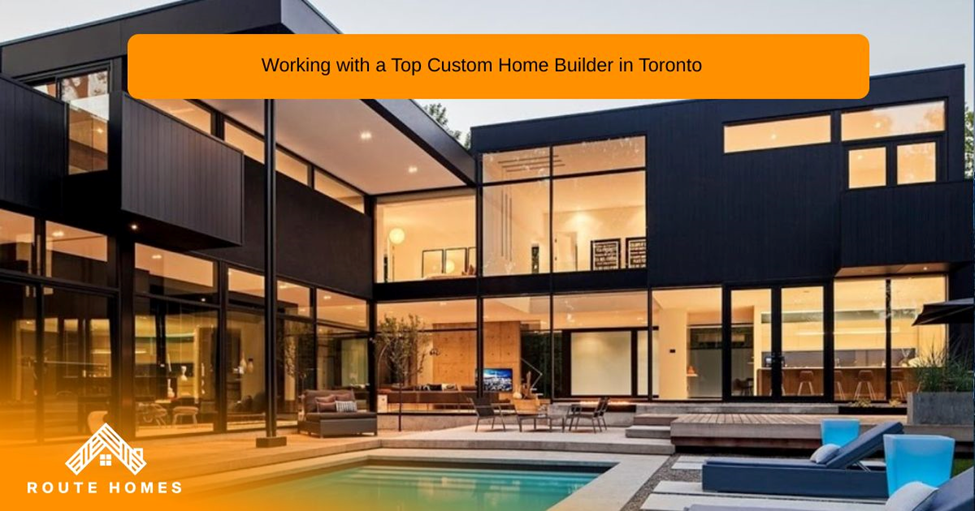
Working with a Top Custom Home Builder in Toronto
Selecting the right builder is one of the most crucial decisions you’ll make when starting your custom home journey. A highly recommended custom home builder in Toronto is Custom Home builders in Toronto. Similar to other reputable firms like KingsGate Luxury Homes Inc and Marvel Homes known for their exceptional experience in custom builds and high-end renovations. Route Homes provides a comprehensive range of services, including architectural design, permit handling, construction management, and post-build inspections. Their skilled team is known for delivering clear construction schedules, accurate cost breakdowns, and connections to some of Toronto’s most reliable subcontractors. By working with a builder like Route Homes, you can expect your dream home to be delivered on time and within your allocated budget, all while maintaining exceptional quality, attention to detail, and personalized style.
Why Choose a Custom Home in Toronto?
Toronto offers a unique urban landscape that combines modern architecture, heritage neighborhoods, and diverse community living. While pre-built homes are plentiful, many homeowners today prefer the freedom of custom building for the following reasons:
- Full control over design and functionality
- Ability to choose the neighborhood and lot
- Selection of high-quality materials and smart technologies
- Optimized energy efficiency and sustainability
- Long-term investment value
Custom homes in Toronto are more than just residences — they’re personalized environments that match the owner’s lifestyle, values, and long-term goals.
Understanding Toronto’s Real Estate and Construction Market
Toronto’s real estate market is among the most competitive in North America. Land prices are high, and regulations for residential construction are strictly enforced. Before hiring a custom home builder in Toronto, it’s essential to understand some key factors about the local market:
- Zoning laws and building codes: Toronto has precise zoning bylaws that dictate what kind of structures can be built in certain areas.
- Permitting and inspections: Construction permits are mandatory and require a clear timeline and approval from the City of Toronto.
- Environmental considerations: Depending on the location, some areas require additional environmental assessments.
An experienced custom home builder in Toronto will be well-versed in navigating these requirements and will ensure the project progresses smoothly without legal hiccups.
How to Choose the Right Custom Home Builder in Toronto: 6 Key Factors
Choosing the right builder can make or break your custom home project. Below are six essential factors to consider when selecting a custom home builder in Toronto:
1. Experience and Portfolio
Reputation comes with experience. Review the builder’s portfolio to see previous projects in different Toronto neighborhoods. Look for:
- Styles and complexity of homes
- Build quality and finishing
- Variety in architectural design
- Experience in your preferred area (e.g., Etobicoke, North York, The Beaches)
A builder with a solid track record in Toronto will also be familiar with local subcontractors, city inspectors, and suppliers, reducing delays and improving build quality.
2. Client Testimonials and Reviews
Don’t underestimate the power of client feedback. Speak directly with former clients or read verified reviews on Google or other websites. Ask about:
- Communication during the project
- Budget management
- Responsiveness to changes
- Post-construction support
Satisfied customers are the best indicator of a builder’s reliability and professionalism.
3. Licenses, Insurance, and Warranty
Ensure the builder holds the following:
- Tarion Warranty Corporation registration (mandatory in Ontario)
- General liability insurance
- WSIB (Workplace Safety and Insurance Board) coverage
- Up-to-date licenses with the Ontario Home Builders’ Association (OHBA)
Also, ask for warranty details — reputable builders offer 7-year structural warranties and shorter warranties for mechanical systems and finishing work.
4. Budget Management and Transparency
Custom homes can range from $250 to over $500 per square foot, depending on design, materials, and neighborhood. An ideal builder should:
- Provide itemized quotes
- Offer budget forecasting
- Be honest about what your budget can realistically achieve
- Discuss contingency plans for unexpected costs
Financial clarity from the start prevents surprises down the road.
5. Use of Technology and Construction Innovations
Leading custom home builders in Toronto utilize modern tools to enhance project outcomes:
- 3D architectural renderings
- Project management software
- Energy-efficient systems (e.g., geothermal heating, solar panels)
- Smart home integration
Technology improves communication, efficiency, and long-term performance.
6. Communication and Collaboration
Building a custom home is a partnership. Look for a builder who:
- Understands your vision
- Offers suggestions without overriding your ideas
- Has a responsive project manager
- Keeps you informed with weekly updates and on-site meetings
A transparent and cooperative relationship ensures a smooth and enjoyable construction process.
Custom Home Architectural Styles in Toronto
Toronto’s architectural landscape is highly diverse, offering endless possibilities for custom home design. Popular styles include:
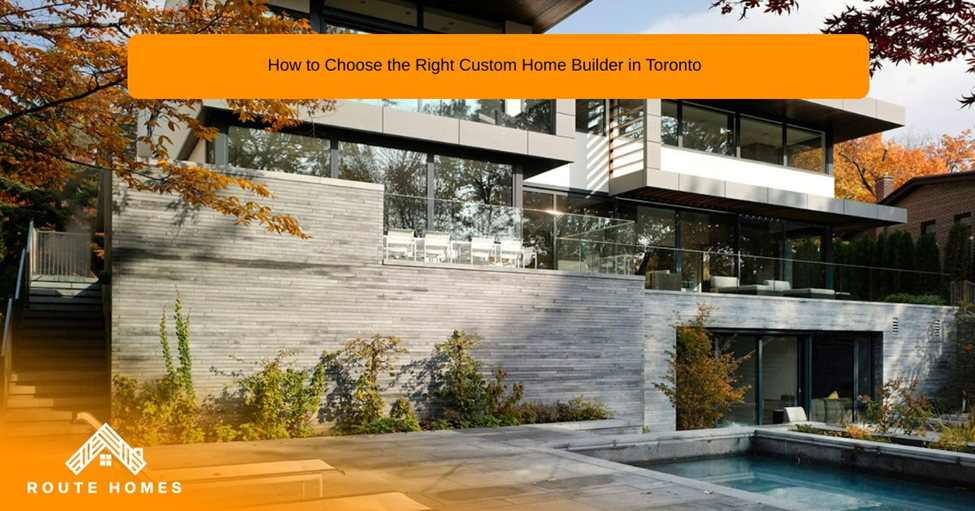
- Modern/Contemporary: Clean lines, large windows, flat roofs, open floor plans
- Traditional: Brick or stone façades, pitched roofs, classic interior finishes
- Victorian & Edwardian Revival: High ceilings, ornate moldings, turrets
- Minimalist/Scandinavian: Functional layouts, light wood tones, simplicity
You can also incorporate custom features like:
- Rooftop patios
- Home gyms and saunas
- Wine cellars
- Basement rental units (legal second suites)
- Green roofs and rainwater harvesting
The best custom home builders in Toronto can blend styles or create unique designs based on your preferences.
Construction Process Timeline
The journey of building a custom home in Toronto begins with the planning and design phase. During this stage, you will work closely with architects, designers, and your builder to develop the architectural drawings and finalize the home layout. At this time, zoning regulations, neighborhood restrictions, and specific lot characteristics are also reviewed. Your builder will submit permit applications to the City of Toronto, which can take a few weeks to several months, depending on the project scope and location. This phase typically lasts between two to four months and is crucial in setting the tone for the rest of the project.
Once all permits are approved, the next step is site preparation and demolition. If an existing structure is on the land, it will be demolished by city regulations. After that, the site is cleared, leveled, and prepared for construction. This includes surveying the land, marking property boundaries, and preparing utility connections. Depending on the complexity of the site, this stage can take one to two months. It’s also during this time that excavation begins in preparation for the foundation.
The foundation and framing phase comes next and is one of the most structurally significant stages. This includes pouring the foundation, whether it’s a basement, crawl space, or slab. Once the foundation is set, the home’s frame — the skeleton — is built. This includes walls, floors, and the roof structure. It’s during this phase that your custom home starts to take shape, and you can begin to visualize room sizes and layout. This stage typically spans two to three months, depending on the weather and complexity of the design.
Following framing, the project moves into the interior and exterior work stage. Electrical wiring, plumbing, HVAC systems, insulation, and drywall installation are all completed in this phase. At the same time, exterior cladding such as brick, stone, or siding is applied. Roof installation and window placement are also finalized. This stage is the most time-consuming and can take anywhere from four to six months. It’s where most of the essential systems are installed, and it determines the long-term functionality and comfort of the home.
The final stage is all about finishing touches and inspections. This includes installing flooring, cabinetry, countertops, fixtures, lighting, and painting. Final inspections are conducted by the city to ensure everything is up to code and meets safety standards. Once the occupancy permit is granted, your builder will hand over the keys. This phase takes one to two months and involves attention to detail, ensuring that the final product matches the vision you started with. After this, your custom home in Toronto is officially move-in ready.
Sustainability and Smart Home Features
In a city like Toronto, where energy efficiency and green living are priorities, custom homes can benefit from:
- High-efficiency HVAC systems
- Triple-glazed windows
- LED lighting and smart thermostats
- Low-flow plumbing fixtures
- Energy Star appliances
- Home automation systems for lighting, security, and HVAC
These features not only reduce environmental impact but also improve resale value and reduce utility bills.
Contracts, Warranties, and Legal Considerations
A detailed construction contract is essential. It should cover:
- Total project cost and payment schedule
- Timelines and milestones
- Materials and finishes
- Change order policy
- Dispute resolution methods
- Warranties on labor and materials
Don’t hesitate to consult a real estate lawyer with experience in construction contracts to review all agreements before signing.
Neighborhoods in Toronto Ideal for Custom Homes
Toronto offers a variety of neighborhoods perfect for building a custom home, including:
- Rosedale – Luxury homes and heritage preservation zones
- The Annex – Blend of historic charm and modern convenience
- Leaside – Family-friendly, top schools, and parks
- Forest Hill – Upscale living with wide lots
- Etobicoke – More affordable lots and suburban feel
- Scarborough Bluffs – Stunning views and newer developments
Lot prices vary significantly, so consult with your builder and realtor to align your location goals with your budget.
Tips for a Successful Custom Home Project
- Set realistic expectations about time and cost
- Maintain open and frequent communication with your builder
- Don’t cut corners on insulation, windows, and roofing
- Hire an interior designer early to coordinate with architectural plans
- Plan for future needs (aging in place, resale value, EV chargers, etc.)
- Keep a contingency fund of 10–15% for unexpected expenses
Final Thoughts: Build Smart, Build Custom
Choosing the right custom home builder in Toronto is the foundation of a successful project. While the process can be complex, it’s also incredibly rewarding when done with proper planning and the right team by your side. Whether you’re building a luxurious mansion in Rosedale or a sleek, modern family home in Etobicoke, partnering with a trusted and experienced builder ensures your vision comes to life beautifully and responsibly.
By considering the tips and insights outlined in this guide, you’ll be better equipped to make informed decisions and enjoy a smooth, satisfying custom home experience in one of Canada’s most vibrant cities.



Leave a Reply